
MOQ is the number most likely to stop a first order. It is also the number that is most negotiable — not by arguing, but by understanding what the supplier is actually protecting and changing your order so that protection is not needed.
What MOQ is really covering
When a factory quotes 1,000 pieces, that number is doing four jobs:
- Covering the setup. Printing plates, mould setup, firmware build, test fixture configuration and packaging artwork each have a fixed cost. Below a certain quantity that cost swamps the margin.
- Covering the material minimums. Fabric, foam and sensor film come on rolls with minimum purchase quantities. Ordering 200 mats can mean buying a whole roll.
- Smoothing the yield. Electronics assembly has a first-pass yield; small runs have proportionally more rework and more scrap.
- Protecting the schedule. A 200-piece run takes a production slot that a 2,000-piece run would use. The factory has to price that opportunity cost.
Understanding these lets you negotiate the parts that are genuinely flexible without asking for a discount the supplier cannot survive.
The tiers, and why the jumps exist
| Tier | Quantity | What you give up below it |
|---|---|---|
| Sample | 1–10 | Nothing is customised; you pay a sample premium and courier |
| Small batch | 100–500 | Stock model, neutral or standard packaging, logo sticker rather than printed branding |
| Standard | 500–1,000 | Your logo printed, standard colourways, minimal firmware change |
| Custom | 1,000–3,000 | Custom mat colour, custom printed box, custom manual language |
| Private | 3,000+ | Nothing — this tier unlocks tooling, exclusivity and price protection |
The unit-cost step between adjacent tiers is usually 8–15%. If a supplier offers top-tier pricing at 200 pieces, be suspicious — either the quote is not real or the product is not what you were shown.
Seven legitimate ways to order less
- Take the stock model. Your first order buys an existing SKU with your logo applied. You are not paying for development, so the MOQ requirement drops.
- Drop the custom packaging. A printed colour box is often the single largest fixed cost in a small run. Use the standard box, apply your own label or sticker, and move to printed packaging on the second order.
- Use a standard colourway. Custom mat colour usually means buying the whole fabric roll. Staying on a stocked colour removes that constraint entirely.
- Combine models in one order. 600 pieces split across three models often clears the threshold that 200 pieces of one model does not, because the setup is amortised across the whole run.
- Accept a longer lead time. Ask to be slotted into a gap in the production schedule, or piggyback on a run of the same model being made for another customer. Offering to wait is often worth more than arguing about the price.
- Pay a small-run premium knowingly. A factory will usually accept a low quantity at a higher unit price if you ask openly for it. Get the number, then decide whether the test-market information is worth the premium.
- Start with a sample order, then a trial order. Many suppliers will do 100 pieces as a documented "trial order" once you commit in writing to a reorder quantity in the same PI, subject to quality.
What not to do
- Do not ask for a lower price and a lower MOQ at the same time. Pick one. Asking for both tells the supplier you are not a serious buyer.
- Do not compare a 200-piece quote to a 2,000-piece quote. They are different products in cost terms, and the supplier will read the comparison as inexperience.
- Do not accept a verbal promise of a lower MOQ. Put the quantity, the unit price and the delivery date in the PI and have it countersigned.
- Do not spread a small order across three suppliers. You lose the volume leverage and you multiply the compliance and packaging work by three.
How to structure a first order that keeps the door open
A workable pattern for a new buyer:
- Sample. Buy one or two units of the stock model and test them properly.
- Trial order. 100–300 pieces of the stock model with your logo, standard packaging. Purpose: test-market information, not margin.
- First real order. 500–1,000 pieces, printed packaging, confirmed quality. This is where your unit cost becomes competitive.
- Custom order. 1,000–3,000 pieces with the changes you actually learned were needed.
Write the progression into the first PI as an intention, not an obligation. It signals a real buyer and gives the supplier a reason to protect the price for you.
How STEP COOL sets MOQ
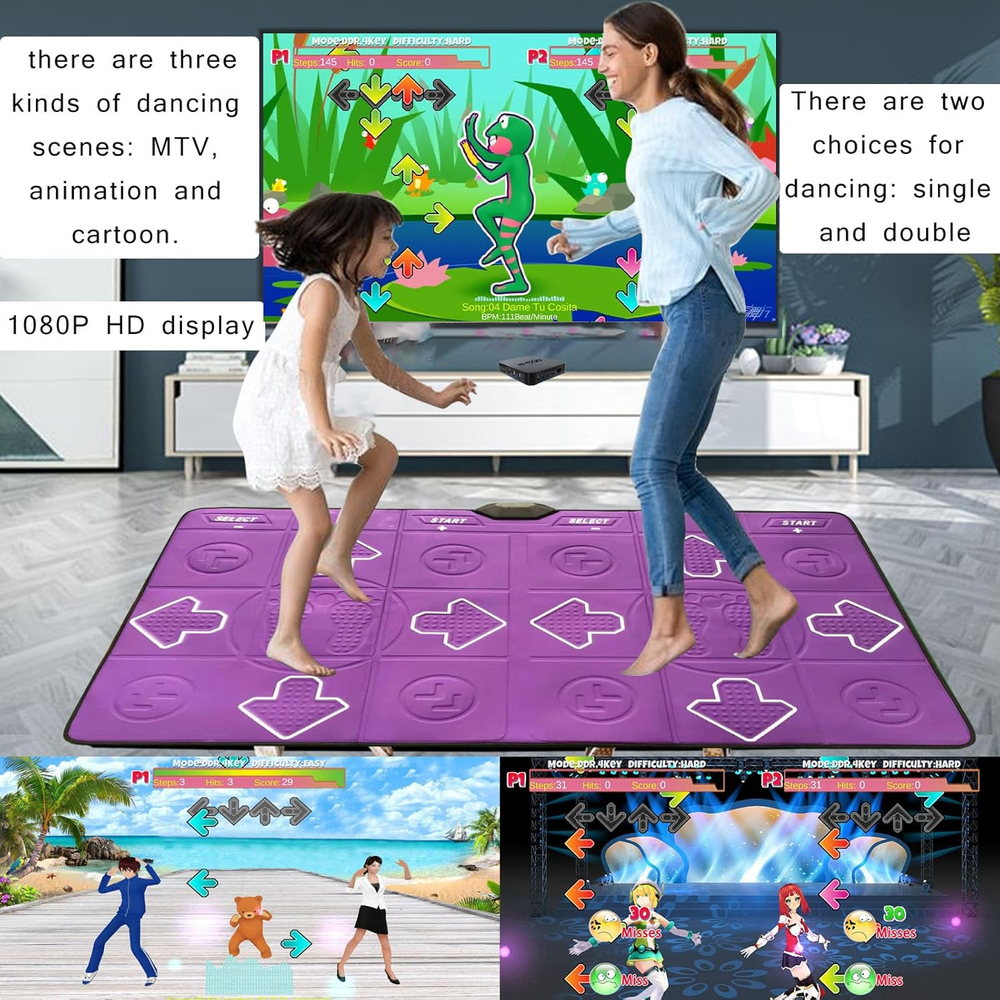
For dance mats we start at 500 pieces for a stock model with your branding, with a documented trial-order path below that for first-time buyers. Our line covers single and double wireless TV pads with built-in song libraries and wired 4-in-1 pads for PS / Xbox / Wii / PC.
Tell us the quantity you can actually commit to first, and we will tell you honestly what is possible at that number rather than quoting a tier you cannot reach.